


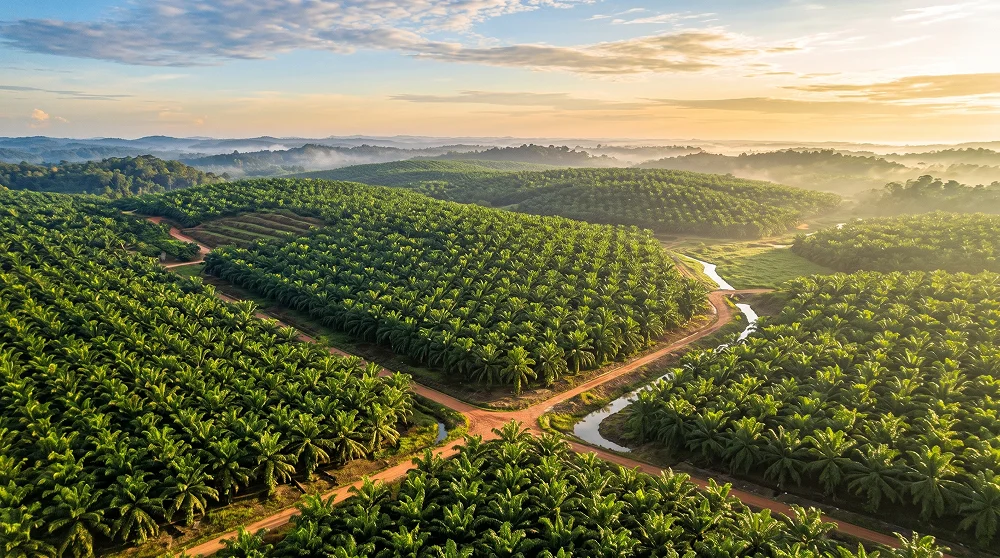
Oil palm productivity depends on several interconnected factors. Planting material quality, land conditions, nutrient supply, and maintenance practices all play a crucial role in determining both the volume and quality of fresh fruit bunches (FFB). Understanding these elements is essential for optimizing overall yield.
While many variables affect yield, plantation management can generally be broken down into five core factors.
- Seedling Quality and Plant Age
A plantation's yield potential starts with selecting the right planting material. High-quality, certified seedlings directly impact growth potential and long-term production. For instance, a study of 450 oil palm farmers in North Sumatra showed that seed variety significantly affected productivity across the region. (Simatupang et al., 2026).
Plant age is equally critical. Research at the Gunung Bayu Plantation, part of PTPN IV Regional II, identified palms aged 9-14 years as being in their peak productive phase, with the highest yields recorded during this period.(Rahman & Ningsih, 2026)).
- Land Conditions and Rainfall
Soil conditions, topography, water availability, and rainfall patterns directly affect palm growth and development. Plantations on relatively flat land tend to achieve higher average yields than hilly terrain, mainly because steeper slopes carry a higher risk of soil erosion and nutrient leaching.
Excessive rainfall can also lead to waterlogging and hamper routine maintenance, while water deficits impede growth and fruit formation. Maintaining an optimal water balance is therefore vital for continuous development and fruiting.
- Targeted Fertilization
Sufficient nutrient availability is fundamental to maintaining high yields. However, fertilization must be managed precisely regarding nutrient balance, dosage, timing, and application method. A palm's nutrient requirements evolve as it matures. A tailored fertilization plan aligned with actual field conditions supports both vegetative growth and fruit set.
- Maintenance and Harvest Timing
Routine upkeep, including frond pruning, weed control, and pest and disease monitoring, is essential. Equally important are harvest rotation and timing. Harvesting too early results in underripe bunches with low oil content, while harvesting late leads to loose fruit loss and fruit degradation. Effective harvesting relies on proper labor planning and field supervision.
- Regular Productivity Evaluations
Effective management requires consistent monitoring of production output. Tracking yield records, stand age, land conditions, and maintenance logs helps pinpoint specific yield-limiting factors. These evaluations provide the data needed to prioritize field improvements and adapt agronomic strategies to actual field conditions.
Optimizing oil palm production calls for a structured approach across every stage of cultivation. Balanced fertilization remains one of the most actionable areas for improvement.
Through its NPK Nagaemas product line, PT Weha Agro Sejahtera offers precise, controlled-nutrient formulations with consistent physical quality. Designed for specific growth stages, these tailored formulas help growers meet crop requirements efficiently to maximize production potential.